TECHNOLOGIES / DCD
Forty years of holding nitrogen back — on purpose.
Dicyandiamide (DCD) is one of the longest-established nitrification inhibitors in agriculture, used for over four decades to slow the conversion of ammonium to nitrate and keep nitrogen available to the crop instead of the drainage system.
The problem: Same mechanism as above: nitrate is mobile, ammonium is not. Left unmanaged, nitrification converts stable soil nitrogen into a form that leaches easily and volatilizes as N₂O — a cost to the grower and a cost to the environment, both avoidable with the right chemistry at the right point in the nitrogen cycle.
How it works: DCD inhibits the ammonia-oxidizing bacteria and archaea that drive nitrification, with minimal disruption to other soil microbial populations. It’s typically coated onto urea or blended directly into granular nitrogen fertilizers, so the inhibitor is distributed evenly alongside the nitrogen source itself. Because DCD is broken down gradually in soil, its inhibitory effect fades over a period of weeks rather than shutting off abruptly — giving a controlled, tapering protection window rather than a hard cutoff.
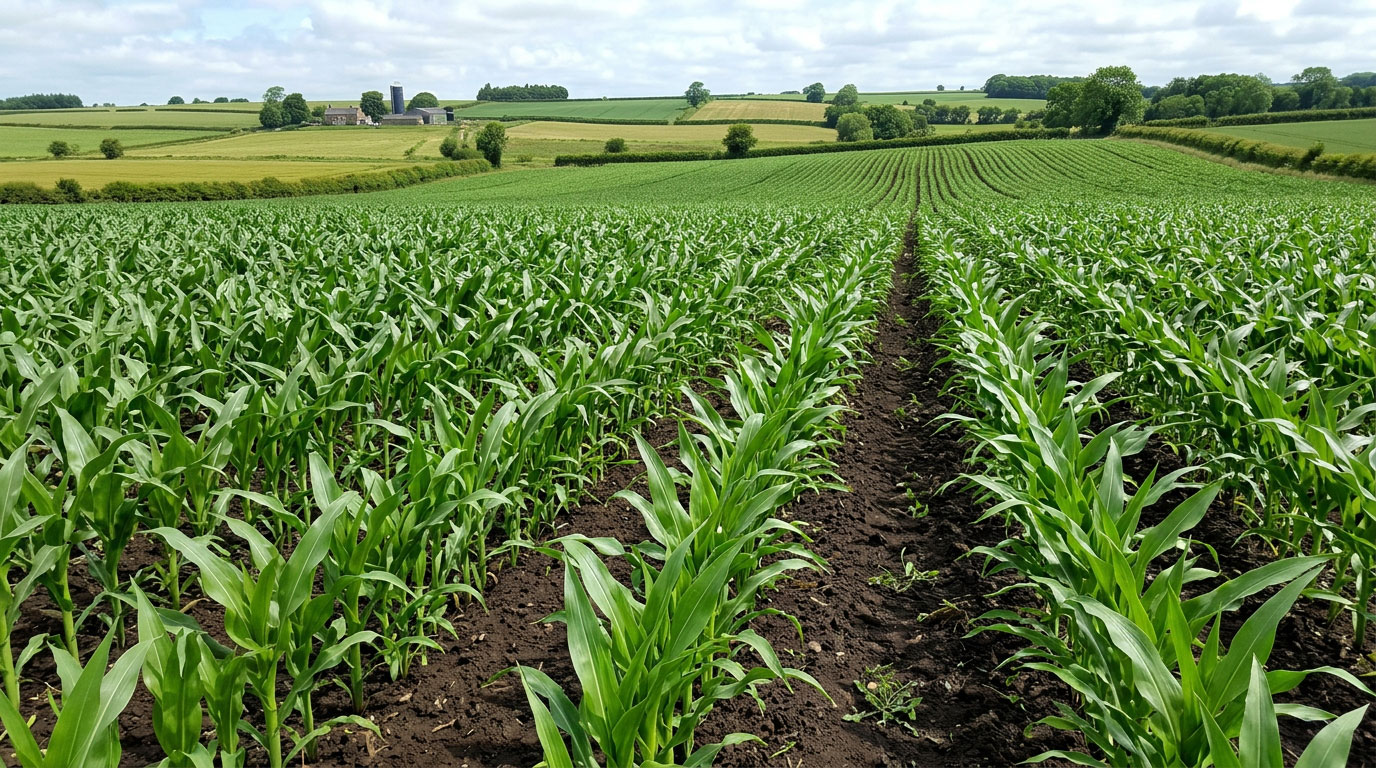
Long field track record across a wide range of soils and climates
Reduces nitrate leaching and N₂O emissions from nitrogen fertilizers, urine, and slurry applications alike
In several long-term comparisons, DCD has shown stronger yield response than DMPP on comparable soils
Well suited to grassland and livestock-integrated systems, where urine patches are a major nitrification hotspot
Where it fits
DCD is specified in CEON’s Inhibitor Technology range where cost-efficiency and proven field performance matter most — a common choice across the Africa and Export Solutions markets, alongside its established use in UK & Europe grassland systems.